Call Girl
An overworked sex worker and an unemployed insomniac lurk amongst the shadows of a corrupt city, hoping for just a moment of peace.
Writing the Script (writ. 2025)
One of the greatest moments in the history of film was the creation of the Noir and the Neo-Noir. These styles of film were focused on people, places, and moments in time that were real, gritty, and uncomfortable.
That’s exactly what Call Girl (2026) is, a love letter to Noir, to Neo-Noir, and to Neo-Realism. The goal was to write something that other Oklahoma filmmakers just weren’t doing; a story focused on uncomfortable aspects of life such as sex work, unemployment, and insomnia. Thus, the script is crafted with an incredibly delicate touch to draw you to the characters, relate to them, feel what they feel, and live how they live.
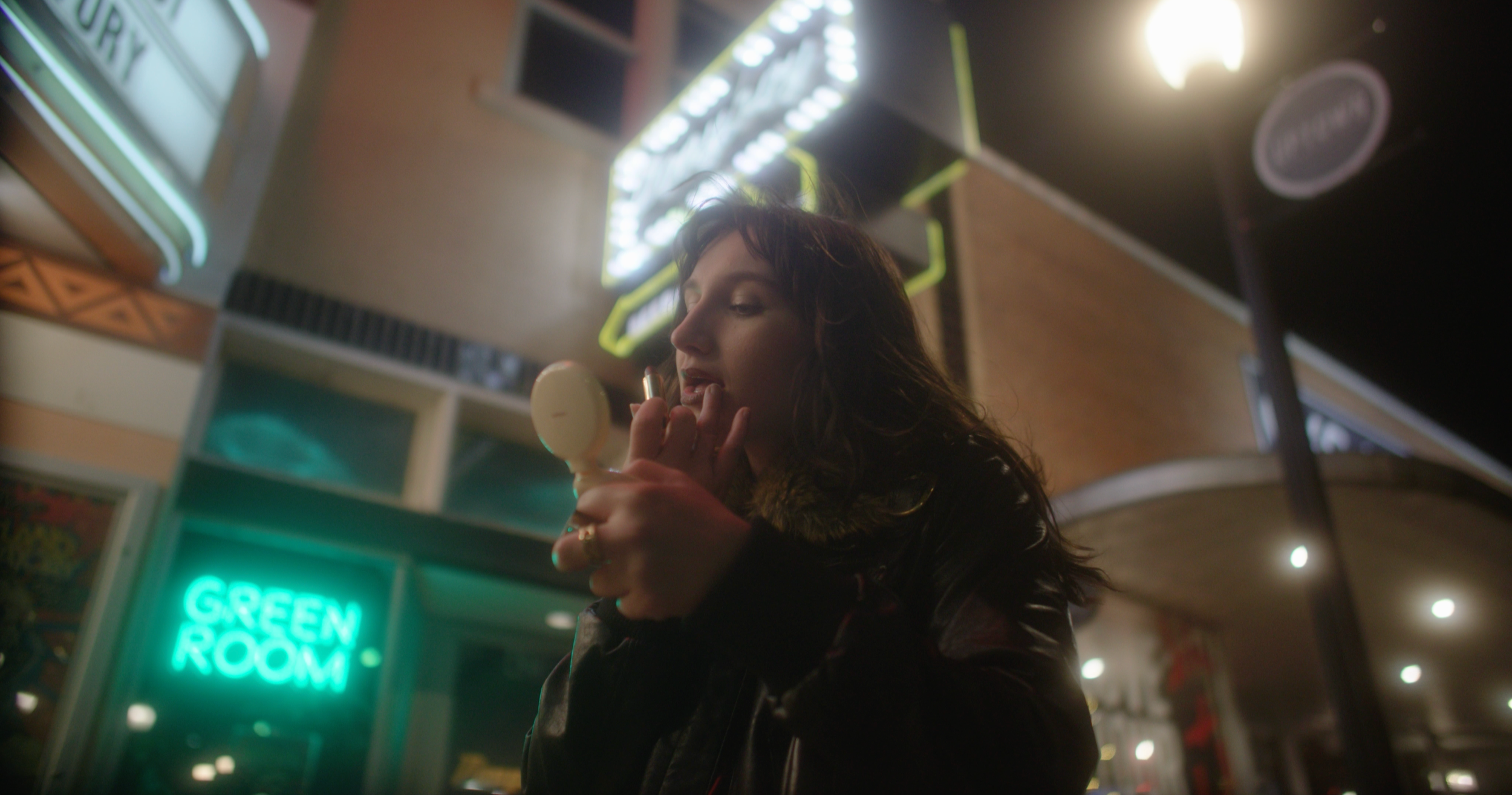
The world is brutal, and it’s written as such, with a cold, isolated feeling in every description, and a heavy focus on bright, neon lights that not only encapsulate our characters, but immobilize them. They’re paralyzed, stuck in a world that could never love them as much as they want it to.
If interested in reading, contact for more information.
Directing the Film (dir. 2025)
Call Girl (2025) is a story of love persevering. Set in the heart of a neo-realistic, noir-inspired city, Cleo and Carmen attempt to navigate the gritty streets of a world seemingly built to spite them, separate, yet together.
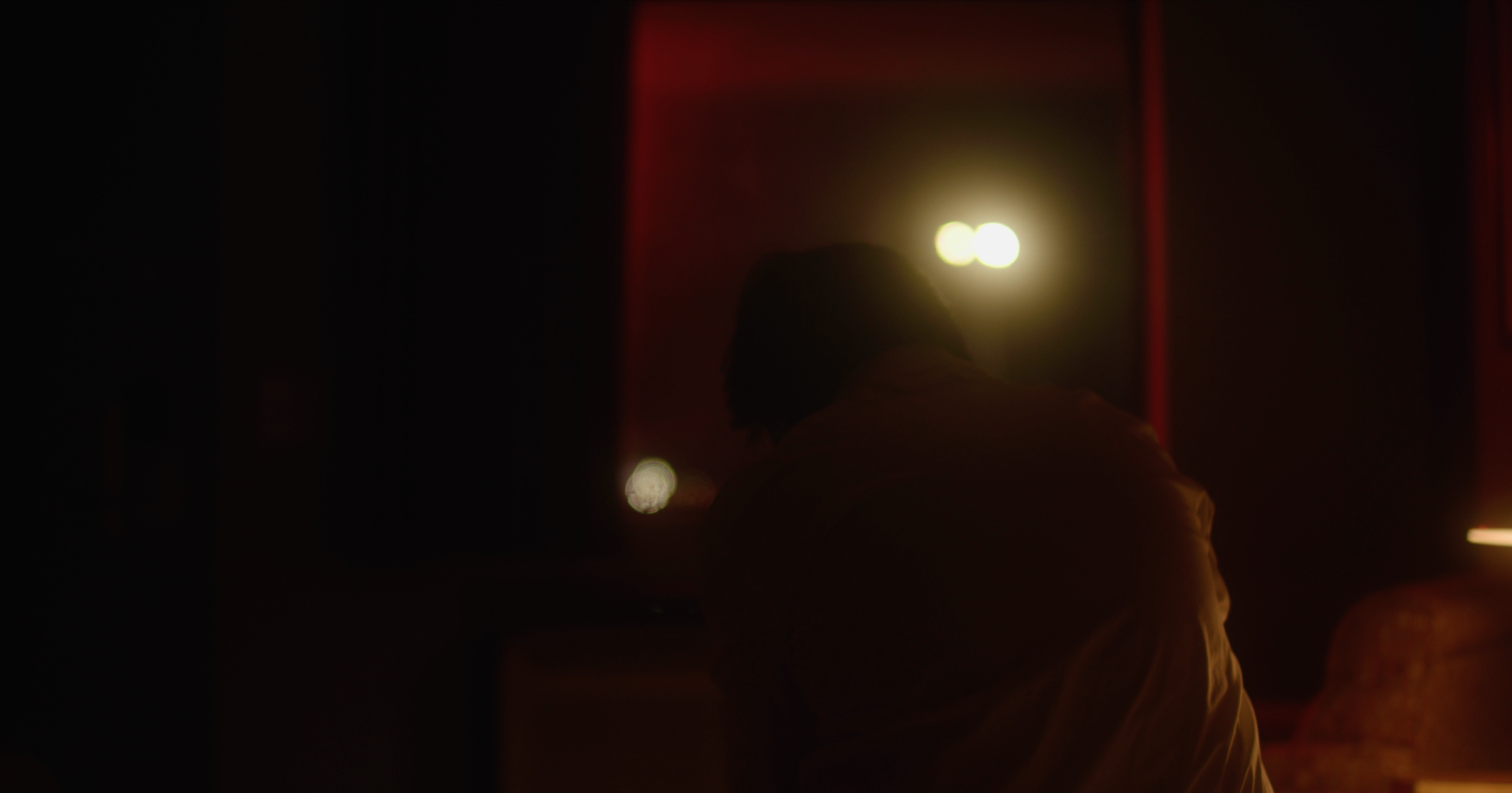
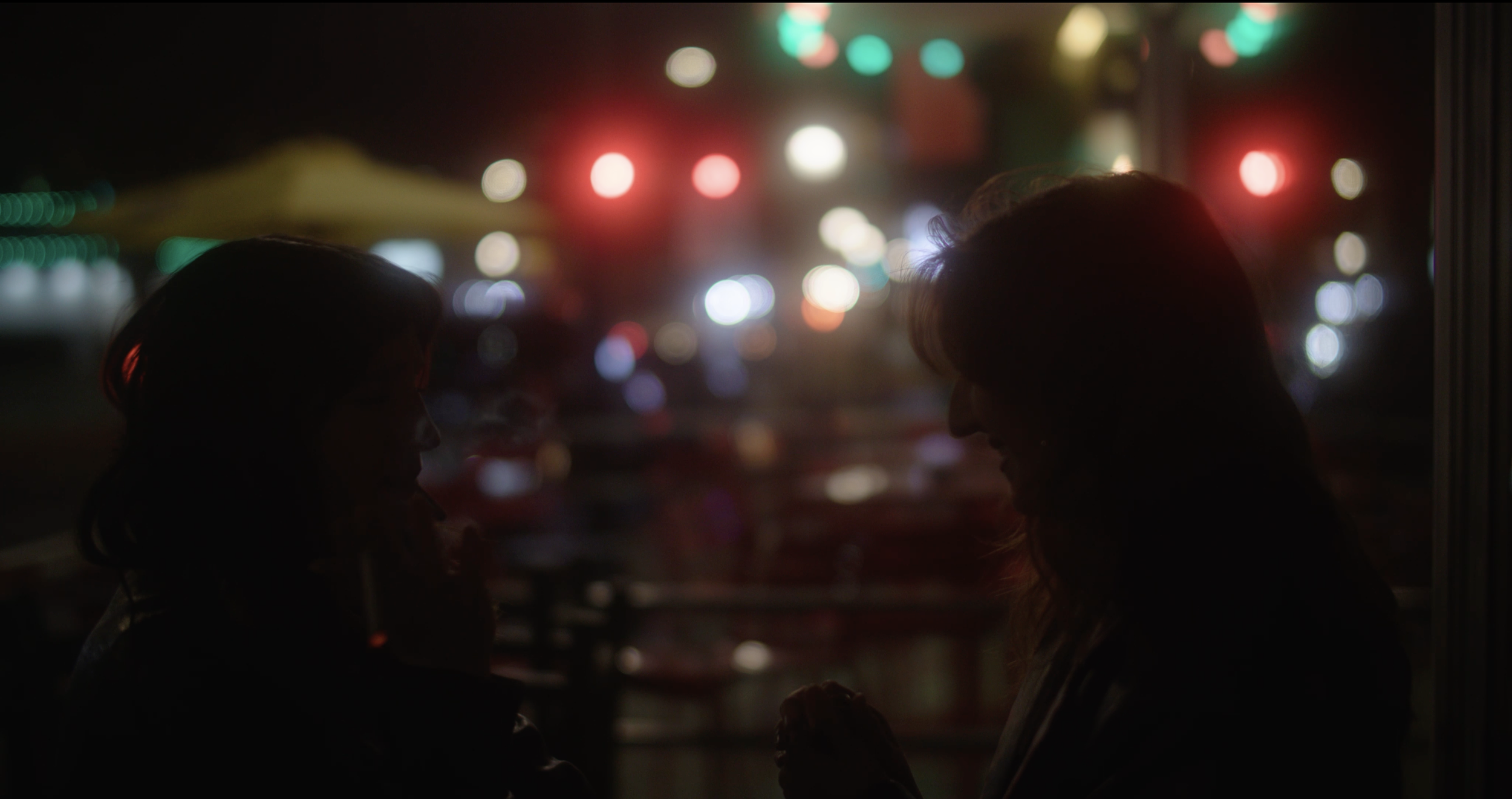
The task of directing this project was extreme. Not only did there need to be diligent crafting in its set design, there also needed to be extensive research into specific locations that fit the Neo-Noir world built through the script, and, more importantly, each character needed numerous hours of attention, care, and love in order to feel each and every emotion they face. This isn’t a story built from plot, but a story built from character.
The beauty of directing this piece came from the improvisation that the cast and crew maintained throughout production. Part of the challenge was to shoot the film with a certain sense of realism, given that the script was basing itself on realistic depictions of the world we live in. Thus, to direct this project, there required an extreme amount of auteurship and critical thinking to design multiple city sequences on the fly, work with the given lighting if necessary, and continually provide the actors with quick, strategic direction that pushed them to the next level, establishing greatness through their work.
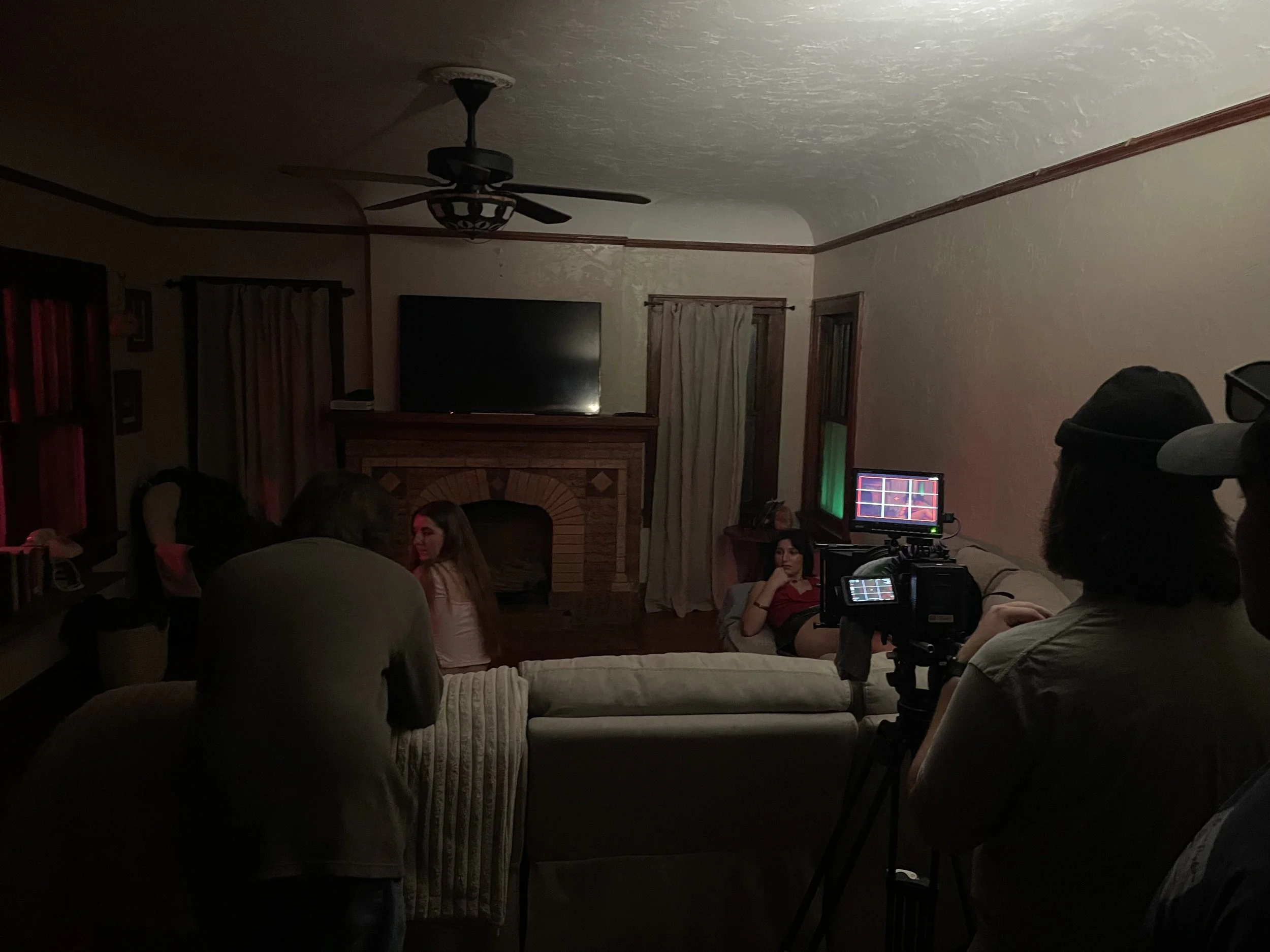
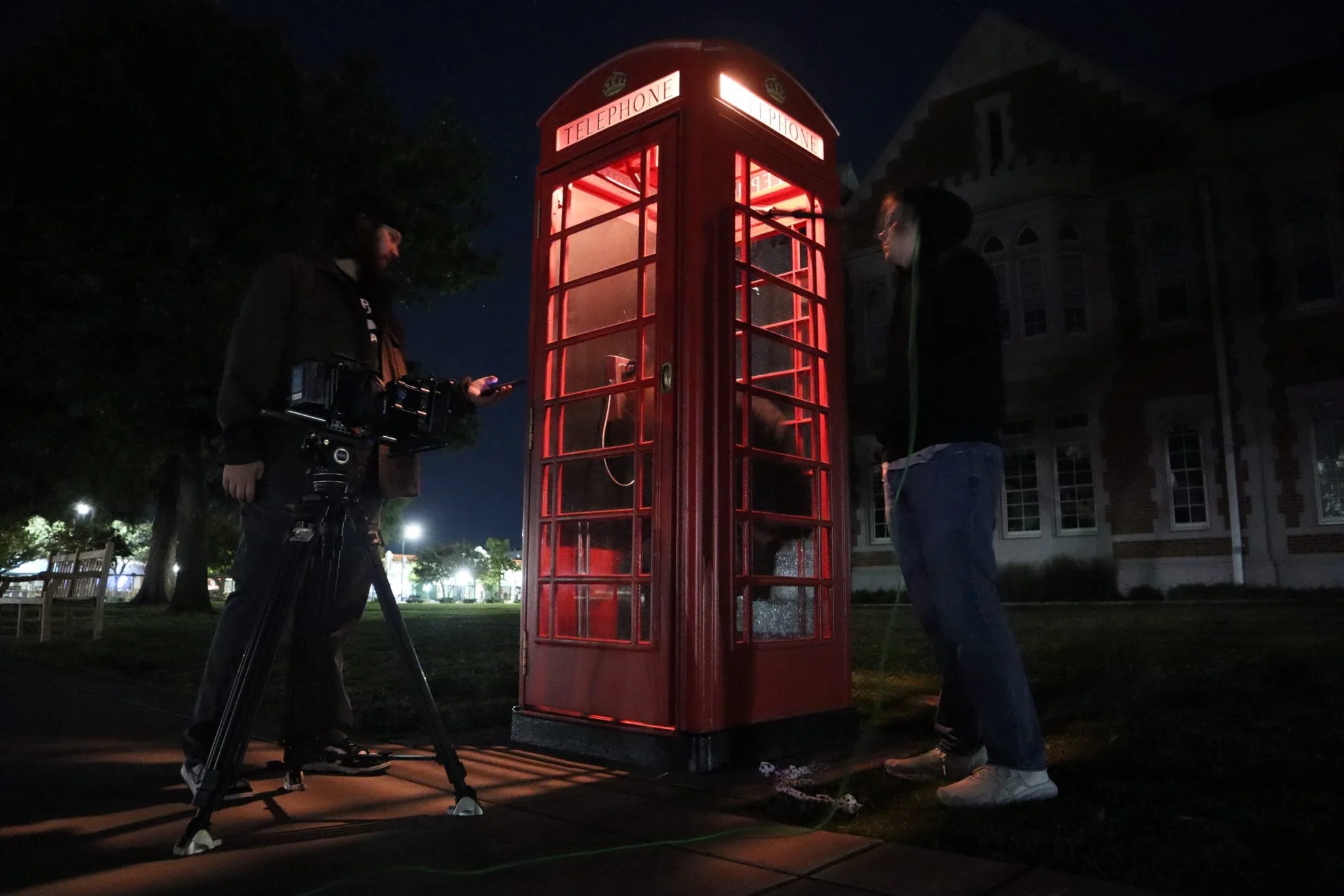
BTS photography by Jordan Briggs & Aryana Stanton
Designing the Poster (desig. 2026)
Featuring wonderfully hand drawn artwork by Isabella Stonecipher, the Call Girl (2026) poster is, much like the film, gritty and emblematic.
First, you’ll notice that our characters are, essentially, blended together, representing the overlap in their identities and their lives. An underrated and key attribute of this concept is the large divider between the characters, which symbolizes a couple of symbolic, subjective ideas. One could say it represents a mirror, where our characters, on opposite sides, exist in similar ways, essentially mirroring each other, whereas someone else could say the line operates as a failing divider, which our characters are pushing past in order to be together. This focus on subjectivity was integral to the design of the poster, giving the viewer an opportunity to decide on their own.
The title treatment was based on classic, blocky Noir and Neo-Noir styles, especially in regard to the quotations surrounding the title. Additionally, the text is duplicated to give the title a “bleeding” effect, replicating the style of the original artwork shown at the bottom.
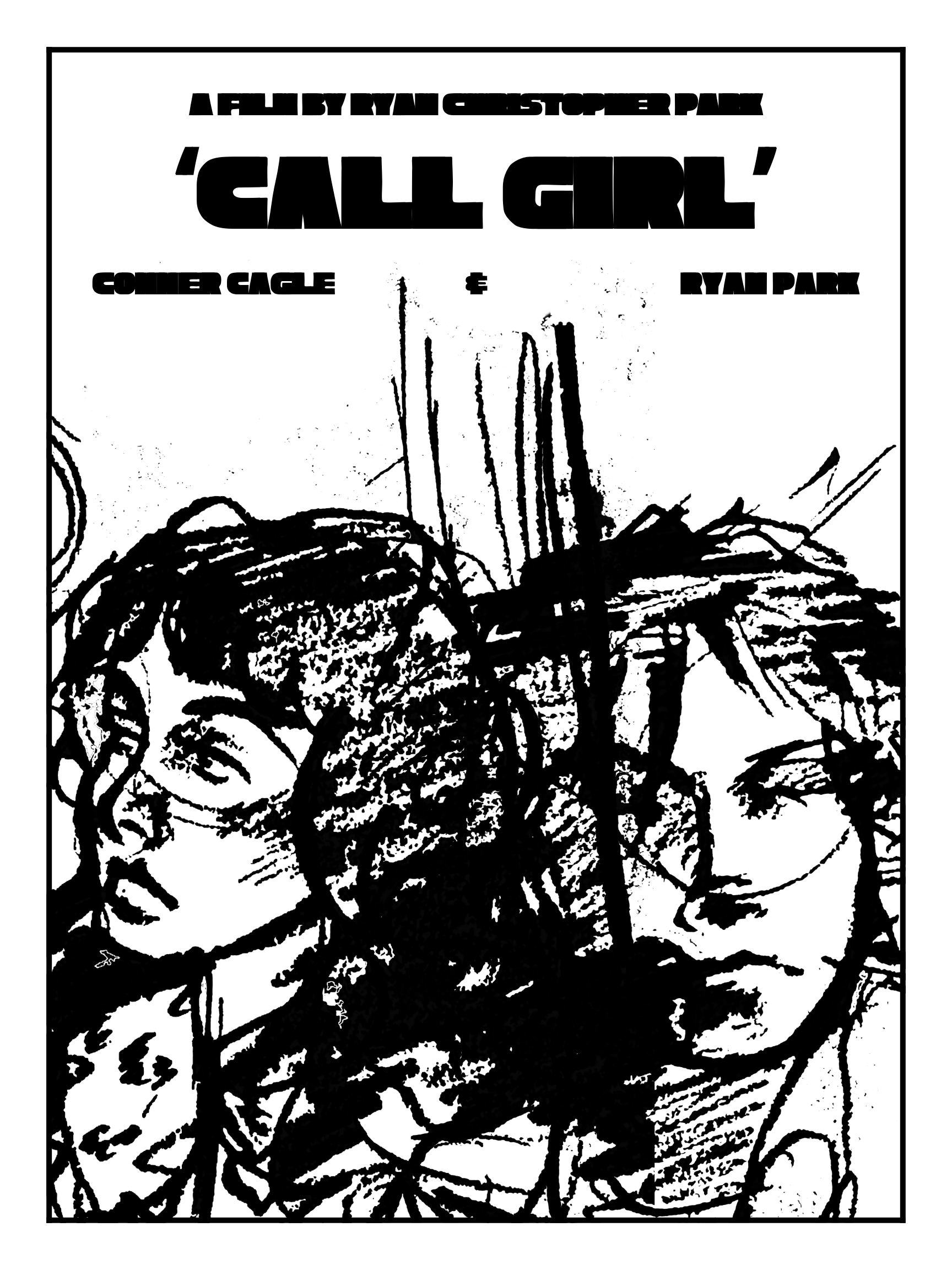
Original drawing by Isabella Stonecipher